The Creator-as-Consultant Era: Why One-Off Posts Are No Longer Enough
One-off influencer posts are losing their edge. In 2026, winning brands treat creators as consultants, not megaphones. Here is what the shift means for your strategy.
The numbers do not lie. Ninety-seven percent of CMOs plan to increase their creator marketing budgets in 2026, according to a joint study by LTK and Northwestern University. Influencer marketing is beating out paid search, paid social, and AI-driven search as the channel brands are betting on most.
But the way that budget gets spent is changing dramatically.
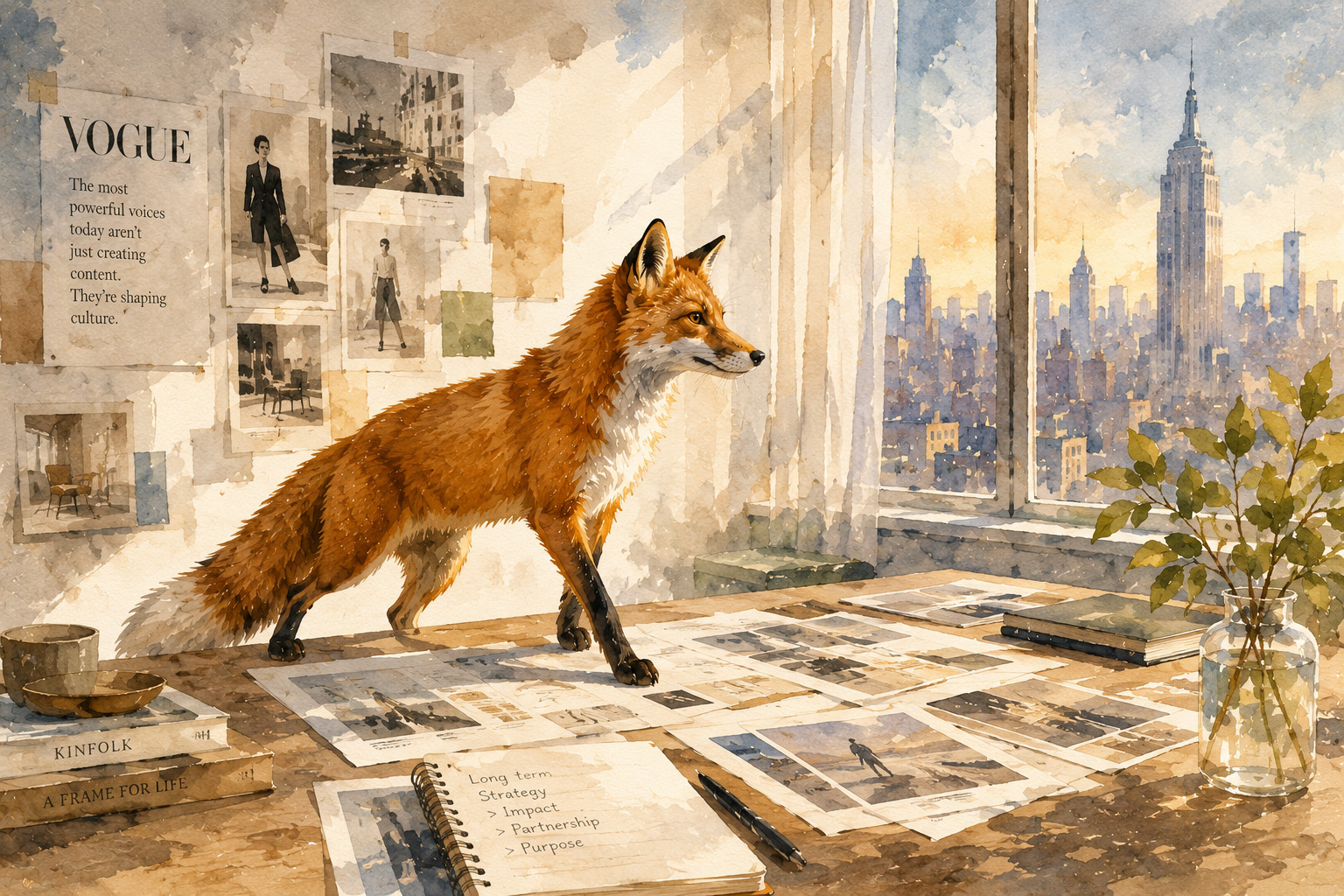
A recent report in Vogue Business found that the old influencer playbook - the one where brands pay a creator to post once, drop an affiliate link, and move on - is no longer cutting through. The shift underway is more fundamental: creators are evolving into consultants, and the brands adapting fastest are building a real competitive advantage.
The Problem With One-Off Posts
For years, influencer marketing was simple. A brand found a creator with a big audience, negotiated a single post, and measured link clicks. It felt efficient.
The problem is that audiences have become sophisticated. They can spot a transactional post instantly, and they scroll past it at the same rate they scroll past a banner ad. With video dominating every major platform and creators building increasingly loyal, niche communities, a static aesthetic post no longer carries the weight it once did.
Eve Lee, founder of marketing agency The Digital Fairy, puts it plainly: "Everyone's racing to the bottom to automate cultural intelligence, but AI can't read the room or scrape the messiness of human desire. It relies on data sets from the past to create more of the same."
That captures the core tension in marketing right now. AI can generate content at scale. It cannot generate resonance.
What "Creator-as-Consultant" Actually Means
The shift brands are navigating is not just about posting frequency or contract length. It is about where in the process creators get involved.
In the old model, a creator received a brief and executed against it. In the new model, creators are brought into the strategy itself - informing product decisions, shaping campaign angles, and directing content that is native to their voice and platform.
Lee is launching Source Material, a consultancy that specifically matches brands with creators to deploy them as strategic advisors rather than promotional faces. "We're making the shift from influencer-as-reach to creator-as-counsel," she says.
Forty percent of brands now give creators full creative control, per LTK. That number will keep rising as brands realize that off-script, creator-led content consistently outperforms tightly briefed posts. Influencer Alix Earle made this point publicly: her best-performing brand content tends to be the least polished, least brand-dictated work.
Beyond the Feed: New Channels Worth Your Attention
One of the most actionable shifts in the Vogue Business report involves where creator partnerships are happening at all.
Email and Substack are rising fast. Creators have spent the past two years building direct lines of communication with their audiences, outside of algorithmic feeds. Rhode already sponsored a back-to-school Substack edition. In December, Substack began allowing some creators to integrate ads directly into newsletters - what was once an informal sponsorship arrangement is maturing into a structured media buy.
IRL community events are accelerating too. Heaven Mayhem is hosting a "community design panel" where its influencer community will fully direct the design and campaign for an upcoming collection. Anfisa Skin is investing in physical placements and out-of-home moments to reach audiences who are deliberately stepping back from screen time.
This is not niche behavior - it reflects a genuine audience shift. As consumers grow tired of being sold in their feeds, discovery moves elsewhere. Brands that only show up in-feed are leaving reach on the table.
The Right Creator Is Not the Biggest Creator
Accessories brand Freja spent 2025 building what founder Jenny Lei calls its "Freja crew." In 2026, the brand is moving toward fewer creators with higher performance - not higher follower counts - through longer partnerships and storytelling-focused campaigns.
That distinction matters. High follower counts correlate poorly with the kind of outcomes that come from genuine creator-audience trust. The creators who function as consultants tend to be those with a specific point of view, a reason to say what they say, and audiences that show up because of perspective - not aesthetics alone.
Benjamin Almeter, founder of brand and talent agency Dispatch, frames it well: "Viewers are tuning in to be informed and entertained." The most valuable creator relationships in 2026 are built around that dynamic.
How to Find the Right Fit
Knowing that you need long-term, consultant-style creator partnerships is one thing. Finding the specific creators who have the right audience composition, genuine authority in your niche, and real engagement quality is another.
That is the problem CreatorMap is built to solve. Instead of manually scrolling through creator profiles or relying on agency recommendations, brands can search and evaluate creators by the metrics that actually predict partnership success - audience demographics, engagement rates, niche relevance, and content consistency.
When you are thinking less about reach and more about fit, the discovery layer becomes the most critical part of your entire influencer strategy.
What This Means for Your 2026 Strategy
A few things worth acting on now:
- Consolidate your creator roster. Fewer, deeper relationships outperform a wide network of one-off collaborations.
- Give creative latitude. Scripted, on-brief content underperforms creator-led work. The data is consistent on this.
- Expand beyond the feed. Identify which creators in your space have Substack audiences, active communities, or strong IRL engagement. These channels are underpriced right now.
- Bring creators in earlier. Involve them in product feedback, campaign strategy, and storytelling before the brief is written.
- Invest in discovery. As the creator-as-consultant model scales, the quality of your initial match - finding the right creator for the right role - determines everything downstream.
The brands that win this year will not be the ones spending the most. They will be the ones who understand that influencer marketing has graduated from a media buy into a genuine strategic partnership - and who have the tools to identify and develop those partnerships at scale.