How Semantic Search Is Changing Influencer Marketing
Keyword search is failing brand marketers. Discover how AI-powered semantic search finds influencers by meaning and context, helping teams save significant time and budget on every campaign.

Influencer marketing has become one of the most powerful growth channels available to brands. YouTube, Instagram, and TikTok are not just social platforms anymore - they are discovery engines where consumers search, compare, and decide.
But while consumers are using smarter technology, many brands are still using outdated methods to find creators.
If you manage multiple campaigns a month, lead a lean team, and are under constant pressure to prove ROI, basic keyword search is no longer cutting it.
This post breaks down exactly why - and what a better approach looks like.
The Problem with Traditional Influencer Search Tools
Most influencer discovery tools are built around:
- Hashtags and surface-level keywords
- Follower count filters
- Engagement rate benchmarks
- Basic bio matching
At first glance, this feels logical. Search "fitness influencer," filter by follower count, and start building your shortlist.
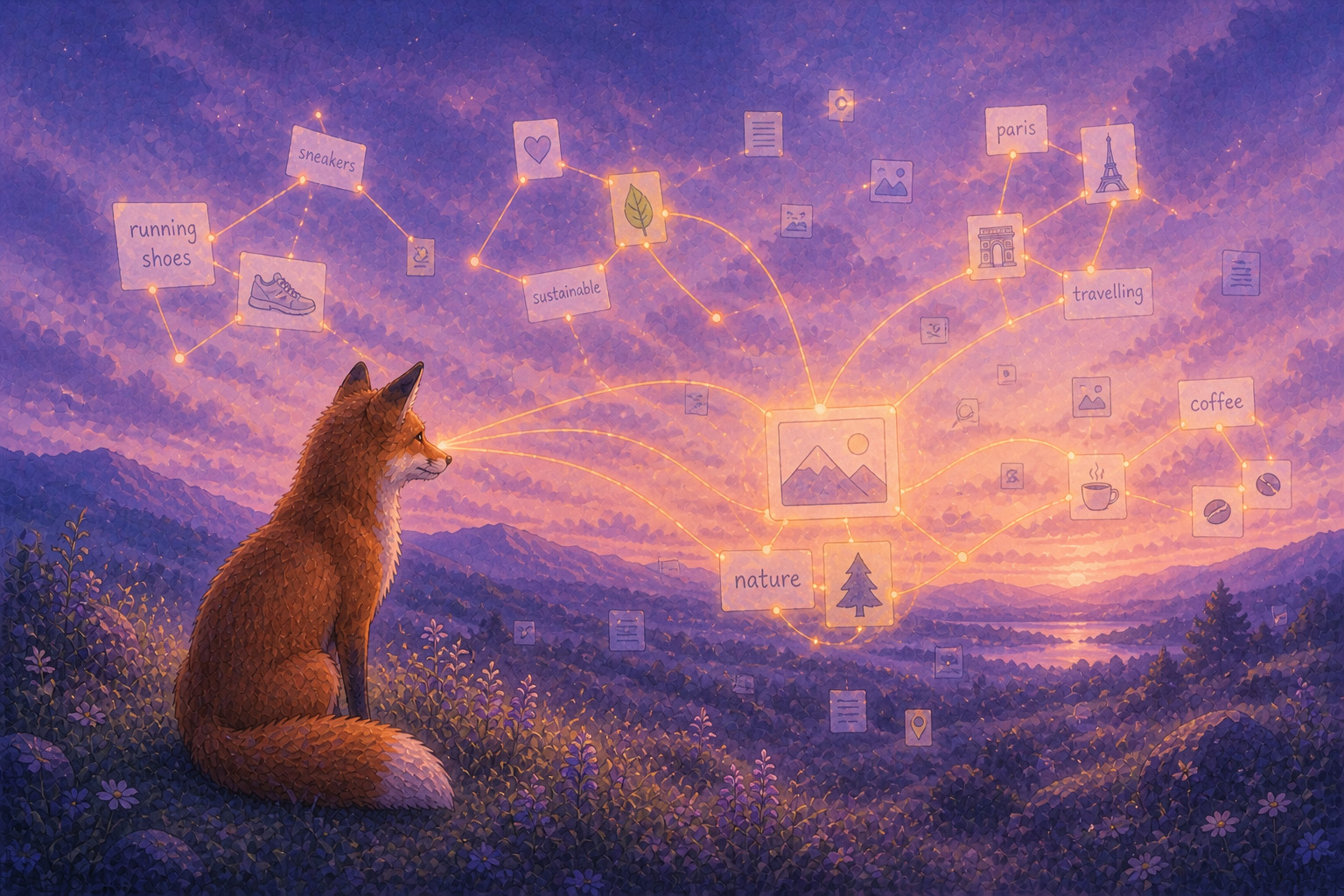
Here is the problem: keyword search matches words. Semantic search matches meaning.
When you search for "eco-friendly skincare influencer" in a traditional tool, the system:
- Looks for profiles that contain those exact words
- Prioritizes bios that mention "eco" or "skincare"
- Surfaces creators who may have used a hashtag once or twice
What it cannot tell you:
- Whether sustainability is genuinely central to their identity
- Whether their audience actually cares about eco-conscious products
- Whether past brand collaborations align with your positioning
- Whether their tone, values, and content style fit your brand
That gap between keywords and meaning is where misalignment happens. And misalignment is expensive.
The Real Cost of Getting Influencer Discovery Wrong
Manually finding and vetting influencers takes a significant amount of time per campaign, often stretching across multiple working days when you factor in research, review, and shortlisting.
At standard marketing team costs, that translates to meaningful spend per campaign just on the search process alone, and that's before a single piece of content goes live.
For a brand running multiple campaigns throughout the year, that overhead adds up to a substantial portion of the marketing budget spent purely on search and review. That's budget that could otherwise fund creator partnerships or paid amplification.
And the compounding effect gets worse.
Industry research consistently shows that a significant share of influencer campaigns underperform due to poor brand-influencer alignment. When a campaign misses the mark because of a misaligned partnership, even modest underperformance can erase a large portion of that campaign's value, sometimes representing a loss that rivals the cost of the partnership itself.
The issue is not effort. It is the toolset.
What Semantic Search Actually Does
Semantic search is a form of AI-powered search that goes beyond word matching. It uses contextual understanding to interpret:
- Intent behind a query
- Meaning and topic relationships
- Tone and communication style
- Brand and audience alignment signals
Where a keyword search asks "does this creator use the word skincare?", a semantic search asks something far more useful:
"Does this creator consistently produce content that aligns with sustainable beauty for audiences who value eco-conscious products?"
That shift in question changes everything about how you find creators.
Why Semantic Search Is Better for Influencer Discovery
It Finds Creators Based on Context, Not Just Keywords
A creator may never use the phrase "healthy snacks" in their bio. But they consistently post:
- Low-sugar meal prep guides
- Macro-balanced recipe breakdowns
- Grocery hauls focused on whole foods
Basic keyword search misses this creator entirely. Semantic search recognizes the pattern and surfaces them - because it understands what the content is actually about.
That means you discover creators who genuinely fit your product, not just those who keyword-optimized their profiles.
It Reduces Campaign Risk
Every collaboration carries risk. For teams working in organizations that require strong internal justification for every spend, that risk is magnified.
Semantic search lets you:
- Analyze content patterns across a creator's full history
- Understand brand fit based on actual positioning, not guesswork
- Compare creators against structured, consistent criteria
- De-risk partnerships before you commit any budget
Instead of manually reviewing hundreds of videos to decide if someone "feels right," the system does that heavy lifting for you.
It Frees Up Meaningful Time Each Year
Manual search and vetting is one of the most inefficient uses of marketing time. Senior marketing talent should be building strategy, optimizing performance, and driving revenue - not spending hours trying to decide if a creator is the right fit.
Semantic search delivers:
- Structured results based on meaningful alignment
- Consistent, comparable creator evaluations
- Relevant shortlists in minutes, not weeks
When you cut the time spent searching, you free up capacity for the work that actually moves the needle.
It Improves Campaign Performance
The best influencer marketing does not feel like advertising. When a creator genuinely fits your brand, their content feels natural. Audiences respond better. Conversion improves. Paid amplification performs at a higher level.
Semantic search increases the probability that your chosen creators naturally fit your brand story from the start - which means better outcomes at every stage of the campaign.
Why Basic Search Was Never Built for Influencer Marketing
Influencer marketing is not a database problem. It is a meaning problem.
Traditional tools treat creators like static data entries: follower count, location, engagement rate, hashtag list. But creators are dynamic brands. They have voice, positioning, evolving content themes, and deeply specific audience relationships.
Only semantic systems can interpret that complexity at scale.
Matching keywords to a database entry is easy. Understanding whether a creator's entire content identity aligns with your brand - that takes a different kind of intelligence.
How CreatorMap Applies Semantic Search
CreatorMap was built specifically for brand marketing teams who need better discovery, faster.
Instead of filtering through static databases, CreatorMap lets you describe what you are looking for in plain language. The platform interprets your intent and surfaces creators that genuinely match your brand, product, and campaign goals.
You can:
- Search semantically for influencers based on meaning, not keywords
- Compare creators side by side using contextual and quantitative data
- Review past content to validate alignment before committing budget
- Build a justified, evidence-backed shortlist your team can stand behind
Whether you are running a handful of campaigns a month or scaling across dozens, the goal is the same: spend less time searching and more time executing.
The Case for Moving to Smarter Influencer Discovery
Paid search efficiency is declining. Influencer marketing investment is increasing. The pressure to prove ROI is not going away.
The brands that win in this environment will be the ones that make smarter decisions earlier in the process - starting with who they choose to work with.
Semantic search is not a novelty. It is the logical next step for any team that is serious about scaling influencer marketing with consistency and confidence.
Stop Searching for Words. Start Finding Alignment.
If your team is spending a meaningful portion of its marketing budget on manual creator research - or losing campaign value to misaligned partnerships - the problem is not your strategy.
It is the tool you are using to find creators.
Semantic search finds the influencers who actually fit your brand. Better fit leads to better content, stronger audience engagement, and improved ROI across every campaign you run.